Supporting Alaskans Statewide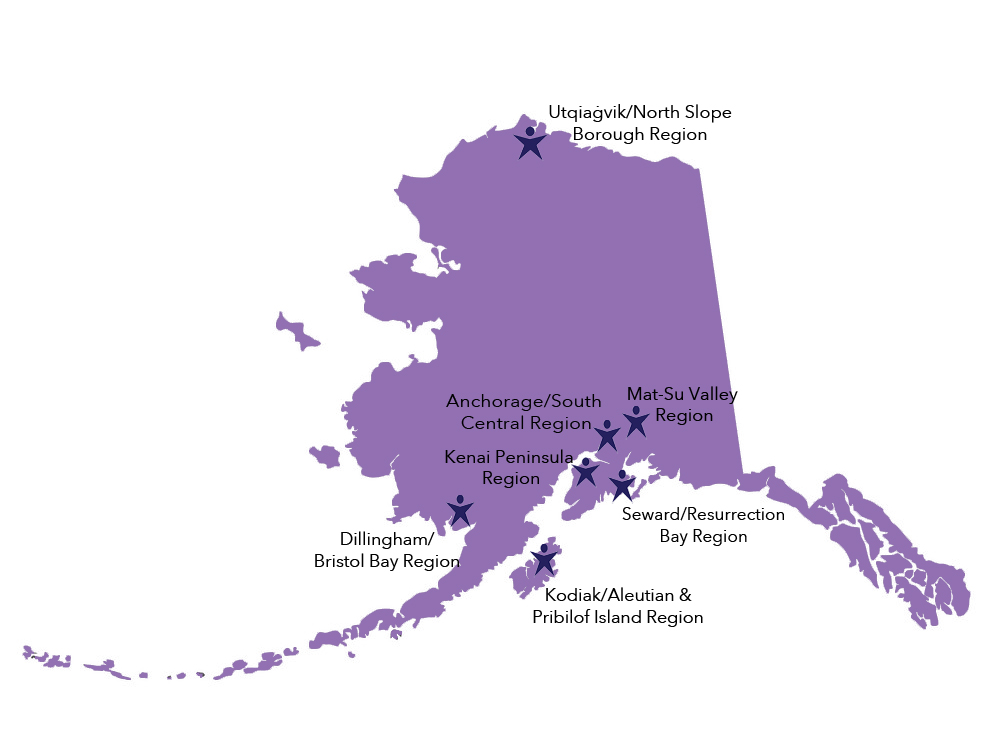
Overview
Hope provides a comprehensive range of statewide services designed to support people who experience intellectual and developmental disabilities in leading full, meaningful lives within the communities they choose. Through a combination of residential, in-home, family-based, clinical, and community-centered supports, Hope offers flexible options that evolve alongside each person’s needs and goals.
Services are grounded in a person-centered approach that emphasizes respect, independence, and choice. Whether supporting people in their own homes, with families, or in community settings, Hope works to ensure that each person receives individualized care that reflects their preferences, strengths, and goals.
Across all programs, the focus is on building skills, building connections, and creating opportunities for meaningful participation. By supporting not only people but also families and caregivers, Hope helps strengthen communities and walk alongside people to live with purpose, stability, and a sense of belonging.
Residential and In-Home Supports
Hope provides a range of residential and in-home supports designed to help people live as independently as possible while remaining connected to their families and communities. Services are built around each person’s preferences, with a strong emphasis on choice, stability, and quality of life.
Hope operates assisted living homes throughout Alaska that offer safe and supportive home environments. These settings provide individualized assistance based on each person’s needs, ensuring access to daily support while promoting dignity, independence, and community participation. Many locations also offer apartment-style living or semi-independent options, giving people flexibility in how they live and the level of support they receive.
For people who choose to remain in their own homes, Hope provides in-home supports to help them maintain independence and strengthen daily living skills. These services may include assistance with routines, skill-building, and community engagement, all tailored to the person's goals.
Hope also offers innovative Neuro-Inclusive Intentional Communities, which are thoughtfully designed communities where people choose to live together around shared values of connection, belonging, and mutual support. These communities combine private living spaces with shared community environments, creating opportunities for meaningful relationships and everyday engagement.
Across all settings, supports are person-centered and adaptable, ensuring that people receive the right level of care as their needs evolve. By combining safe housing options with flexible in-home services, Hope helps people build stable, meaningful lives in the communities they call home.
Mental and Behavioral Health Supports
Hope provides a comprehensive range of mental and behavioral health services designed to meet people where they are and support their overall well-being. Services begin with thorough mental health assessments to better understand each person’s needs, followed by individualized care that may include psychotherapy, case management, and community-based supports. These services are tailored to help people manage symptoms, build coping skills, and improve daily functioning.
Support is delivered in a variety of settings to ensure accessibility and effectiveness. Therapeutic services include individual, group, and family therapy, as well as community-based rehabilitation focused on helping people successfully navigate everyday life. Case management services provide ongoing coordination of care, connecting people to resources and helping them remain engaged in their communities.
For those with more intensive needs, Hope offers specialized programs such as therapeutic treatment homes for children experiencing severe emotional challenges. These structured environments provide 24-hour support and intervention, ensuring safety, stability, and consistent care.
Hope also provides specialized behavioral services, including supports for people with autism through behavioral assessments and applied behavioral analysis (ABA). In addition, behavioral consultation services are available to assist teams and caregivers with strategies, training, and person-centered approaches that promote positive outcomes across different environments.
Child and Family Services
Hope’s Child and Family Services are designed to support children with disabilities and strengthen the families who care for them. These services are grounded in a family-centered approach, emphasizing partnership, self-determination, and active engagement to ensure supports reflect each family’s unique needs and goals.
Support is provided across home and community settings to help children build independence and confidence in everyday life. In the home, services may focus on developing essential skills such as hygiene, completing homework, helping with chores, and learning basic cooking. In the community, children are supported in building social skills, increasing safety awareness, and learning how to navigate their surroundings more independently.
Hope also offers respite services for families, giving caregivers time to rest and recharge while their child participates in safe, engaging activities. In addition, after-school and structured programs are available to meet a range of developmental, social, and therapeutic needs, providing opportunities for continued growth outside of the school day.
To further support families, Hope provides access to specialized resources such as lending libraries, where adaptive equipment and technology can be borrowed. These programs help families explore tools that support their child’s development or provide temporary solutions while awaiting permanent equipment.
Day Habilitation and Respite Care
Day habilitation programs provide structured, engaging opportunities for individuals to develop skills, build relationships, and participate in their communities. These programs emphasize personal growth, social connection, and increased independence through meaningful daily activities.
Respite care offers temporary relief for primary caregivers, allowing them time to rest and recharge while ensuring their loved ones continue to receive high-quality care. This support plays a critical role in sustaining long-term caregiving relationships and promoting overall family well-being.
Recreation and Community Inclusion
Hope offers a wide range of recreational and community-based programs that create opportunities for connection, creativity, and personal growth. These services are designed to be inclusive and accessible, ensuring people of all ages and abilities can explore their interests, build skills, and form meaningful relationships.
Programs include a variety of classes, activities, and events that promote learning, creativity, and social engagement. People are encouraged to try new hobbies, develop talents, and build confidence in supportive, welcoming environments. Creative opportunities such as art programs provide space for self-expression and skill development. Additional offerings include activities such as cooking, gardening, fitness, outdoor recreation, and social events, all designed to encourage participation and community involvement. Whether engaging in structured programs or informal gatherings, people are supported in building relationships and expanding their independence.
Foster Care and Family Habilitation
Hope offers foster care and family habilitation services that provide supportive, family-based living options for children and adults when living in their own home is not possible or when additional support is needed. These services are rooted in the belief that stable, nurturing relationships and home environments are essential to a person's growth, development, and long-term well-being.
Through the foster care program, Hope matches individuals with caring foster families who provide safe, supportive homes. Foster parents play a vital role in meeting daily needs while also encouraging emotional, social, and developmental growth. For children with more complex needs, therapeutic foster care offers additional structure and support, with trained caregivers working alongside a professional team to follow individualized care plans.
Hope also supports adults through family-based assisted living arrangements, where providers open their homes and offer personalized assistance with daily living activities such as meal preparation, personal care, and community participation. These settings promote independence while ensuring people receive consistent, compassionate support.
Family habilitation services complement these supports by helping children and young adults build essential life skills within a family setting. People work toward personalized goals that may include household routines, communication, money management, and positive social interactions. This approach reinforces learning in a natural, supportive environment and helps people gain confidence and independence over time.
Anchorage
Hope's Anchorage region owns and operates a variety of assisted living homes and apartments that provide supported living services. These services include in-home supports, child and family services, respite care, day habilitation, foster care, and specialized supports for people who are Deaf or Hard of Hearing. The region also offers comprehensive mental and behavioral health services, including care for those with intensive support needs. Anchorage is home to Hope’s Community Engagement Center, which houses the Hope Art Studio and Gallery, as well as a recreational facility offering a diverse range of activities, classes, and children's Summer Camp. Our Anchorage team also provides specialized services for the Deaf and Hard of Hearing community, ensuring communication and cultural needs are met through staff fluent in American Sign Language and knowledgeable about Deaf culture.
The key leaders of Hope's Anchorage region include:
- Julie Mettler, Director of Community Support Services
- Mark Meyer, Director of Assisted Living Homes
- Paul Ingram, Clinical Director
- Heather Sollenberger, Director of Intensive Supports
- Jenny Moore, Director of Community Engagement
Matanuska-Susitna Valley
Our Mat-Su region operates several assisted living homes, provides supports to a number of families and supports the Willow Ranch, an intentional community focusing on a rural lifestyle.
The leader of Hope's Mat-Su region is Pam Hawkins, Director of Community Support Services.
Kenai Peninsula / Soldotna
Our Kenai region operates many assisted living homes for adults and supports foster care providers and families. It is home to Hope's Kenai Community Center which provides space for recreational activities, classes, and community gatherings. And it is the home of Hope's first Intentional Neighborhood, where residents have the opportunity to live a country lifestyle with daily access to their neighbors and greater community.
The leader of Hope's Kenai region is Gayle Wilson, Director of Community Support Services.
Kodiak / Seward
Our Kodiak region operates an assisted living home and a group of apartments supporting independent and semi-independent living needs. The majority of the services are centered around independent and family supports. This region is very community-oriented and has a Community Recreation Center and outdoor pursuits program.
Our Seward region operates two assisted living homes and also supports people within their own homes. The program is supported by an active Community Resource Team who advocate and fundraise on behalf of their neighbors who experience disabilities.
The leader of Hope's Kodiak and Seward regions is Pam Hawkins, Director of Community Support Services.
Utqiagvik / North Slope Borough
In addition to offering in-home and respite supports, this region operates an assisted living home for mental and behavioral health.
The key leaders of Hope's Utqiagvik region include:
- Paul Ingram, Clinical Director
- Momodou Mboob, Resident Manager
Contact Us
For more information about Hope and the services available in your community, we encourage you to connect with the Regional Director serving your area. They can provide insight into local programs, answer questions, and help guide you toward the supports that best meet your needs.
If you are new to disability services, our New Services team is here to help you get started. Navigating systems, eligibility requirements, and available resources can feel overwhelming—we’re here to make that process easier. Our team works alongside individuals and families to:
- Explain available services and support options
- Guide you through eligibility and enrollment processes
- Connect you with the right programs and resources
- Answer questions and provide ongoing support as needs evolve
If you’re unsure where to begin, you can always call our main number at 907-561-5335 (toll-free 1-800-478-0078) or send a general inquiry to [email protected]. Our team will make sure your message is routed to the right person.
Whether you’re exploring services for the first time or looking to expand existing supports, we are committed to walking alongside you every step of the way.
Additional Services Provided by Hope
Residential Living ServicesBehavioral & Mental Health SupportsChild & Family SupportsDeaf SupportsFoster Care & Family HabilitationFinancial Services


